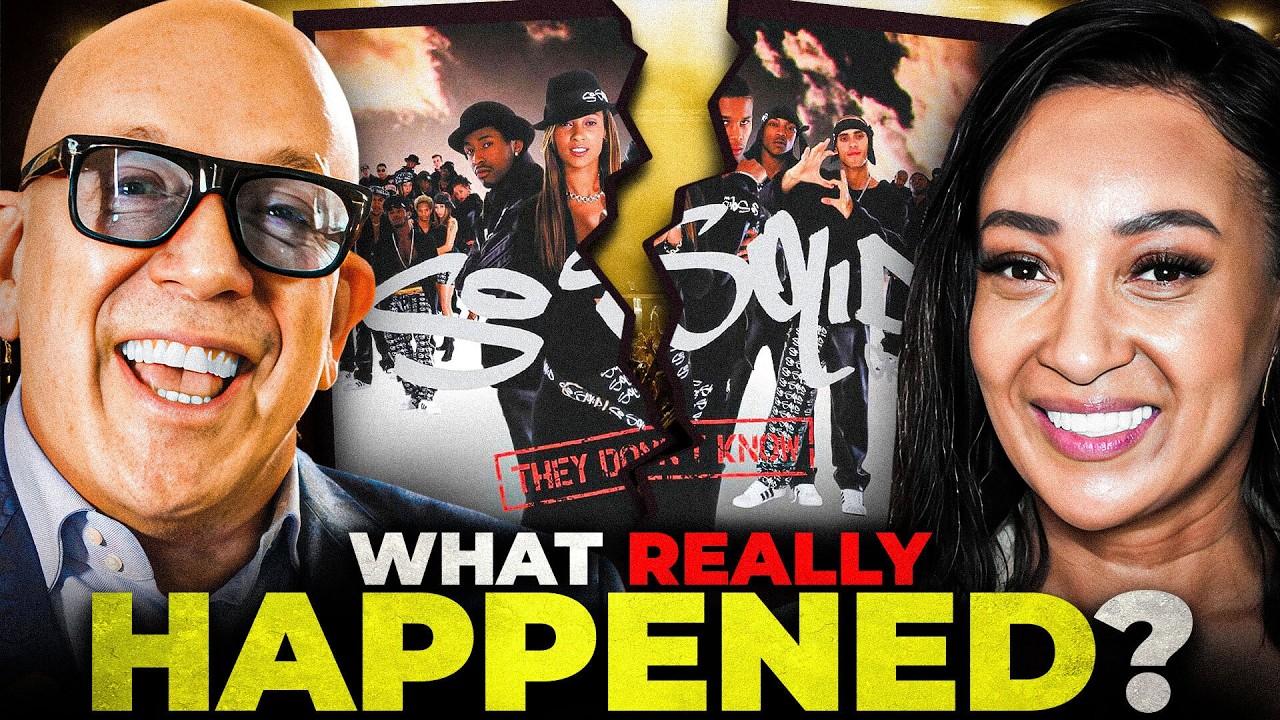
If you were anywhere near a radio, a nightclub, or a television set in the United Kingdom during the early 2000s, you don’t just remember So Solid Crew, you remember the seismic shift they caused in the cultural landscape. With their legendary track “21 Seconds,” this massive South London collective shattered the glass ceiling of the UK mainstream, bringing raw, unfiltered underground energy straight to the top of the charts. But behind the platinum plaques, the Brit Awards, and the infectious, fast-paced UK Garage beats lay a turbulent storm of media scrutiny, political pushback, and intense personal pressure.
In a recent, riveting episode of the Terry Stone Connection YouTube channel, host Terry Stone sat down with none other than Lisa Maffia, frequently hailed as the “First Lady of Garage,” for an unfiltered, 1 hour and 33-minute deep dive. Titled “Lisa Maffia: Inside So Solid Crew | The TRUTH Behind UK Garage’s Wildest Era,” this interview is not just a trip down memory lane; it is a vital piece of British music history told by someone who lived every single second of the chaos. Because Terry Stone himself is a veteran of the UK electronic and urban music scenes, the chemistry between host and guest yields a conversation that is uniquely raw, empathetic, and deeply revealing.
From Pirate Radio to the Mainstream Spotlight
The podcast begins by contextualizing the incredible, almost accidental ascent of So Solid Crew. Long before they were household names, Lisa Maffia and her fellow crew members were just everyday street people navigating the concrete expanses of South London. They weren’t looking for West End approval; they were crafting a subculture built on pure energy, DIY ethics, and the clandestine airwaves of pirate radio.
Lisa opens up about how organically the collective came together. At its peak, So Solid Crew was less of a traditional music group and more of a sprawling family, comprised of dozens of MCs, producers, and DJs. When their underground anthems began crossing over into commercial spaces, nobody was prepared for the sheer velocity of their success. Lisa vividly describes the culture shock of transitioning from cramped pirate radio studios and raw south London community hubs to the glitz and glamour of major record labels and mainstream award shows. It was an era of unprecedented excitement, where British youth culture was being redefined in real time by working-class Black British artists.
The Only Woman in the Room: Navigating a Male-Dominated Collective
One of the most compelling segments of the interview focuses on Lisa’s unique position within the crew. As the sole prominent female face and voice in a massive, male-dominated collective, Lisa faced a double-edged sword of fame. On one hand, her melodic hooks and striking presence provided a crucial sonic and visual counterweight to the aggressive, rapid-fire bars of her male counterparts. On the other hand, she was thrust into a grueling environment where she constantly had to hold her own.
Lisa reflects on the immense pressure of being the “First Lady.” She discusses the resilience required to navigate the music industry’s politics behind the scenes while maintaining her identity. Far from being a mere bystander, she was a core pillar of the group’s identity. Her presence undoubtedly paved the way for generations of female UK artists in rap, grime, and R&B, proving that women could not only participate in urban music movements but dominate them.
The Wildest Era: Media Storms and the West End Clash
As the title of the video promises, the conversation doesn’t shy away from the darker, more chaotic elements of So Solid’s peak years. The UK press at the time was notoriously brutal, often weaponizing the crew’s street origins to construct a narrative of danger and criminality.
Lisa offers a refreshing, defense-minded perspective on the controversy that followed them. She points out that the trouble associated with their gigs wasn’t necessarily generated by the artists themselves, but was rather a reflection of the rougher, everyday street environments their fans came from. In South London clubs, this rowdy energy was normal and largely ignored by the wider public. However, when So Solid brought their massive, fiercely loyal fanbase into the affluent West End, the mainstream media and institutional authorities panicked.
The press painted the group as folk devils, generating a moral panic that eventually culminated in heavy-handed policing tactics, most notably the Metropolitan Police’s controversial Form 696, which effectively shut down urban music events across London. Lisa details the heartbreak and frustration of watching their artistic expressions systematically targeted and criminalized just as they were achieving financial independence and creative freedom.
The Personal Toll of Instant Celebrity
What happens when the high life comes crashing down under the weight of headlines? Terry Stone guides the conversation toward the psychological and personal toll of instant celebrity. Lisa speaks candidly about the trauma, survival, and the grueling weight of expectation. Being under a constant media microscope meant that every mistake, every bad choice, and every consequence was magnified tenfold on the front pages of national tabloids.
The transition from underground heroes to public targets took a visible toll. Yet, what shines through most during this segment of the podcast is Lisa’s staggering resilience. Instead of letting the industry break her, she used the experience as a masterclass in survival. She discusses the vital lessons she learned about industry politics, backing yourself when no one else will, and refusing to be boxed in by external narratives.
Longevity, Evolution, and the Legacy of UK Garage
As the interview progresses into the modern era, it becomes clear that Lisa Maffia’s story didn’t end with the mid-2000s transition of UK Garage. She has successfully reinvented herself as a solo artist, a reality television personality (vividly recalling her grueling experience on Channel 4’s The Games), and an independent businesswoman.
Today, she commands full creative control over her career through her own label, Maffia Records. Her longevity is a testament to her work ethic and her refusal to let the past define her limits. Terry and Lisa conclude the podcast by celebrating the lasting legacy of UK Garage. They reflect on how the genre celebrated Black Britishness and laid the essential foundations for the global explosion of modern UK Grime and Drill.
Why You Need to Watch This Interview
In a media landscape filled with carefully curated PR statements and sanitized nostalgia, The Terry Stone Connection delivers something increasingly rare: absolute authenticity. Lisa Maffia’s willingness to speak openly about the highs and lows, the energy and the chaos, makes this episode an absolute must-watch for any music lover.
Whether you are a veteran raver who spent their weekends in the early 2000s dancing to “21 Seconds,” or a younger music fan looking to understand the architectural roots of today’s British music scene, Lisa Maffia provides the ultimate insider perspective. Head over to YouTube, watch the full episode, and immerse yourself in the unfiltered truth of UK Garage’s wildest era.