Reality television today feels like a meticulously curated, hyper-sanitized audition for a fast-fashion brand partnership. Contestants walk into immaculate villas fully aware of their camera angles, speaking in heavily managed soundbites explicitly designed to survive the court of social media public opinion. The genre has become predictable, polished, and safe.
But it wasn’t always this way. There was a time when reality television was a raw, unhinged, and completely unpredictable sociological experiment.
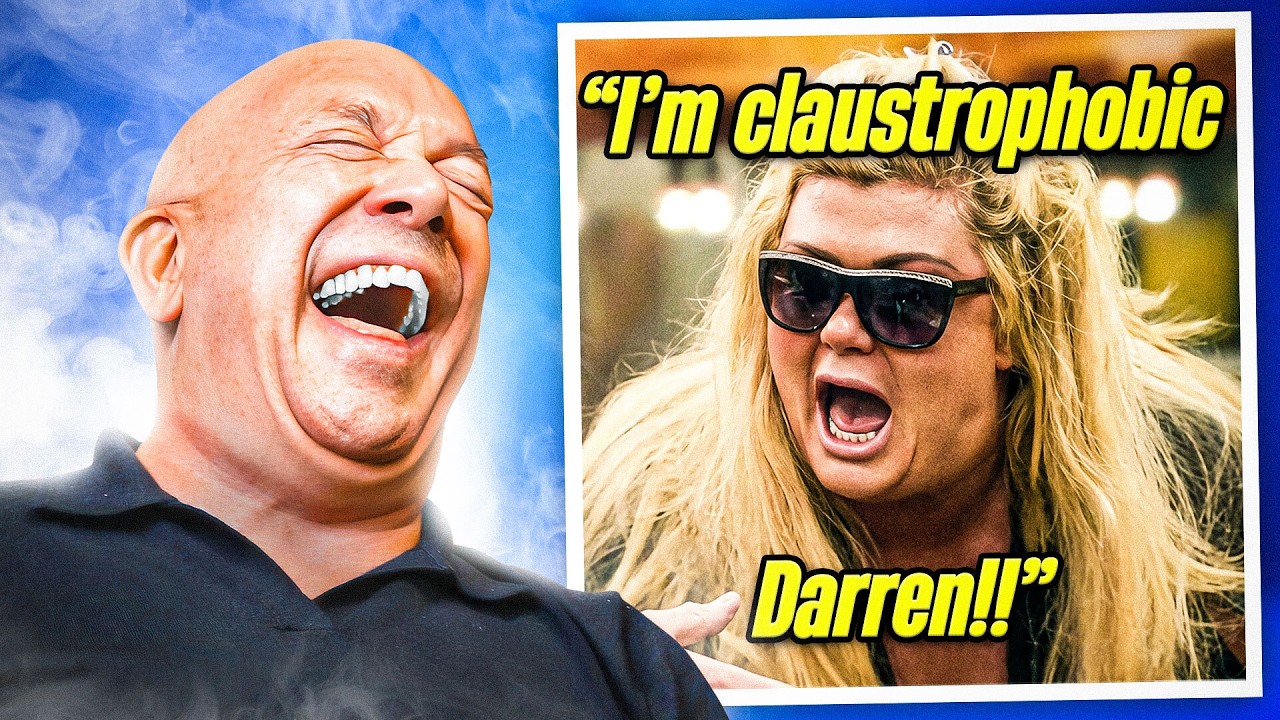
In an explosive 19-minute video on his YouTube channel, The Terry Stone Connection, actor, producer, and cultural commentator Terry Stone takes a head-first dive into this bygone era. Titled “Big Brother’s Most OUTRAGEOUS Moments EVER | TV GONE WRONG” (available at YouTube Link), the episode acts as both a hilarious nostalgia trip and a stark reminder of a television landscape that didn’t just push boundaries—it smashed straight through them.
Terry Stone—best known for his iconic roles in classic British crime films like The Business and the Rise of the Footsoldier franchise—brings his signature, no-nonsense London energy to the reaction desk. He isn’t looking at a sanitized corporate highlight reel; he is looking at Big Brother uncut. For anyone who lived through the golden age of British reality TV, the video is an essential watch that begs an ultimate question: How on earth was this allowed to air?
The Era of “TV Gone Wrong”
To understand the weight of the moments Terry Stone reacts to, one must recall what Big Brother UK represented in the 2000s. As Terry aptly notes in his episode breakdown, it was a show where “normal people walked in… and absolute chaos walked out.” Unlike modern reality programs that cast influencers, models, and people already conscious of their personal branding, the early iterations of Big Brother went out of their way to find everyday citizens from the furthest corners of ordinary life. Producers threw them into a surveillance fishbowl, stripped them of their connection to the outside world, and watched what happened.
When you combine sleep deprivation, tightly rationed food, psychological isolation, and a cast of radically eccentric personalities, chaos isn’t just a byproduct—it’s an absolute certainty. Terry’s video focuses heavily on the sheer madness, explosive arguments, and psychological breakdowns that gripped the nation. It reminds us of an era when the entire country would gather around the television every single night to witness unscripted human behavior at its absolute limits. This wasn’t daytime television fluff; it was pure, unfiltered reality TV gold that dominated front-page tabloids and workplace watercooler conversations alike.
Unpacking the Chaos: From Blind Mikey to Historic Meltdowns
One of the standout segments of the video—and a massive favorite among viewers in the comments section—revolves around Mikey Hughes, affectionately known as “Blind Mikey” from Big Brother 9 (2008). Mikey, a blind radio producer from Glasgow, became one of the most memorable contestants in the show’s history due to his fearless attitude, blunt honesty, and brilliant comedic timing.
Terry reacts to the legendary moments involving Mikey, most notably the infamous electric shock task. Watching a blind contestant navigate the absurdly cruel, yet undeniably hilarious tasks cooked up by the producers highlights the exact kind of television that would throw modern network executives into a state of immediate panic today. The sheer slapstick comedy, mixed with Mikey’s unfiltered reactions to being shocked, encapsulates the chaotic charm of the era. It wasn’t mean-spirited; it was a testament to how the show placed regular people into extraordinary, surreal situations and let their natural grit and humor shine through.
But the video doesn’t stop at lighthearted shock games. Terry dives straight into the darker, more explosive confrontations that earned Big Brother its controversial reputation. Over the course of its run, the show pushed psychological boundaries to a degree that felt genuinely hazardous.
As a filmmaker and producer, Terry provides a unique perspective on these moments. He understands how pacing, casting, and editing play into creating captivating media, but even he acknowledges that many of these house feuds bypassed mere entertainment and crossed into genuine madness. From historical arguments where security guards had to physically breach the house to separate contestants, to the historic meltdowns of legendary housemates like the late Nikki Grahame—whose iconic “Who IS she?!” diary room rant remains permanently etched in pop culture history—Terry’s reactions capture the collective disbelief of a modern audience looking back at what was once considered standard evening viewing.
Why It Would Never Air Today
The core theme underpinning the entire video is the concept of “TV Gone Wrong.” Terry repeatedly challenges the audience to consider the current state of broadcasting compliance versus the wild-west nature of twenty years ago. The harsh reality is that the vast majority of the clips featured in this retrospective would never make it past a modern network’s legal department, let alone onto a live broadcast feed.
In the years since these episodes aired, television production has undergone a massive paradigm shift. Today, the “duty of care” protocols regarding the mental health and well-being of reality TV participants are incredibly strict—and arguably for good reason, given the tragic real-world consequences associated with modern reality fame.
However, this cultural shift has undeniably scrubbed reality television of its organic authenticity. In the modern landscape, any contestant exhibiting the level of volatile behavior, raw aggression, or unvetted eccentricity seen in classic Big Brother would be swiftly removed from the premises, edited out of the broadcast, or subjected to intense social media cancellation within minutes.
Terry Stone’s commentary strikes a delicate balance. On one hand, he deeply appreciates the sheer entertainment value of the unfiltered madness; on the other hand, his industry background allows him to analyze the immense risks networks took back then. The video expertly shows how Big Brother didn’t just walk up to the line of acceptability—it regularly sprinted right past it, leading to government regulatory investigations, intense public outcries, and moments of genuine national shock.
The Legacy of an Uncut Era
Ultimately, what makes Terry Stone’s video so compelling is the deep sense of cultural nostalgia it evokes. It serves as a flawless time capsule of a specific moment in British cultural history—the era of “lad culture,” tabloid dominance, and a pre-smartphone society where live television was a unifying, mandatory cultural event.
When Terry invites his audience to drop their favorite Big Brother moments in the comments, it triggers an avalanche of memories from fans who remember staying up until the early hours of the morning just to watch the 24-hour live feeds on E4. The video highlights a profound truth about the evolution of media: as television has become safer, more corporate, and more sanitized, it has lost the raw human element that made it impossible to look away from.
Final Thoughts: A Must-Watch Retrospective
If you are tired of the cookie-cutter, heavily manicured reality TV shows filling your streaming queues today, Terry Stone’s “Big Brother’s Most OUTRAGEOUS Moments EVER | TV GONE WRONG” is the perfect antidote. It is a fast-paced, laugh-out-loud, and occasionally jaw-dropping look back at a time when television was genuinely unpredictable.
Terry’s transition into this style of cultural commentary is a breath of fresh air. He seamlessly combines the gritty, authentic perspective of a London media veteran with the genuine enthusiasm of a fan looking back at classic pop culture.
Head over to the Terry Stone Connection channel, watch the full 19-minute breakdown, and prepare to ask yourself: How did they ever get away with that? Don’t forget to leave a comment on the video sharing your own ultimate Big Brother contestant—whether you’re Team Blind Mikey, Team Nikki Grahame, or a fan of the show’s ultimate villains.